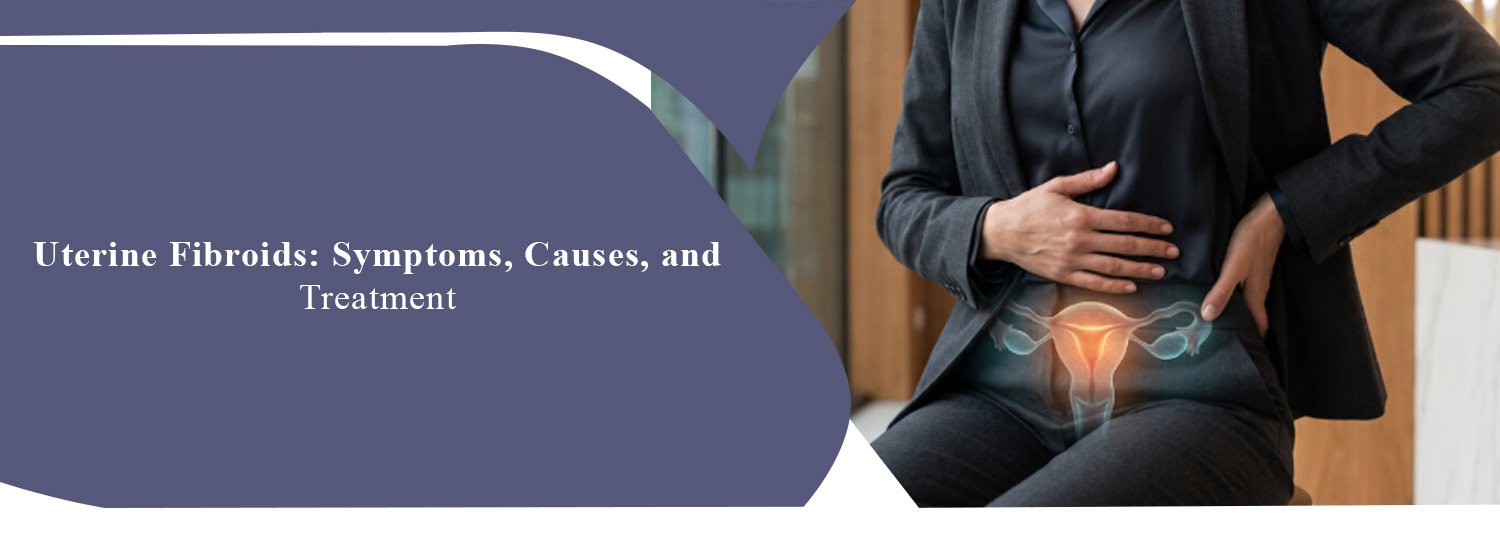
Uterine Fibroids: Symptoms, Causes, and Treatment
Uterine fibroids are very common in women of reproductive age. They can occur within or around the uterus. Depending on where they occur in the body, how big they are, and how many there are, symptoms can vary. Some women may not display any symptoms, whereas other women may experience heavy periods, pelvic pain, a feeling of pressure in the lower abdomen, or fertility issues.
Understanding more about uterine fibroids, including potential causes and treatment options, can allow women to manage their reproductive health effectively. At La Santé Medicare Centre, Ghaziabad, Dr Nupur Jain (Obstetrician and Gynaecologist) provides individualised support to help women manage a variety of gynaecological issues.
What Are Uterine Fibroids?
Uterine fibroids (leiomyomas or myomas) are non-cancerous tumours made up of muscle tissue. They can be very small (seed-sized) or can grow quite large, changing the shape and size of the uterus. They can occur in the muscular wall of the uterus, just below the lining of the uterus or on the outside of the uterus. Individuals can have one or multiple fibroids. Depending on the size and position of the fibroids, symptoms may differ. In some cases, treatment may be needed. Although generally benign, in some cases uterine fibroids can cause issues with menstrual health, discomfort, and fertility.
What Are the Common Symptoms of Uterine Fibroids?
Depending on the number, size, and position of the fibroids, symptoms can vary. Many women may not have any symptoms, and fibroids may be picked up in a routine gynaecological check or scan. Common symptoms include:
- Heavy menstrual bleeding or periods lasting longer than usual.
- Painful periods and bleeding between menstrual cycles.
- Pelvic pain, pressure, or fullness in the lower abdomen.
- Frequent urination due to pressure on the bladder.
- Constipation or discomfort during bowel movements.
- Lower back pain and discomfort during sexual intercourse.
- Difficulty getting pregnant in certain cases.
If periods are very heavy, anaemia can occur. This can cause tiredness, weakness, dizziness and breathlessness. In some women, these symptoms can begin to impact daily activities, work and overall comfort. If you are regularly experiencing changes to your periods, you should visit a gynaecologist.
What Causes Uterine Fibroids?
The exact cause of uterine fibroids is unknown. However, hormonal changes, genetic causes, and other biological causes are thought to contribute.
Hormonal Changes
Fibroids can be influenced by oestrogen and progesterone. As such, they often occur in women of reproductive age. Fibroids may shrink after menopause, due to decreased hormone levels.
Genetic Factors
Women with a family history (mother/sister) of uterine fibroids may be more likely to develop fibroids. Genetic changes in the muscular tissue of the uterus may also cause fibroids to develop.
Age and Lifestyle Factors
Fibroids are more commonly found in women of reproductive age (30-50). Body weight and metabolic health may also be associated with developing fibroids. However, not all cases can be explained by these factors.
What Are the Treatment Options for Uterine Fibroids?
As the size, number, position, severity of symptoms, age, and whether future pregnancies are planned vary between individuals, appropriate treatment depends on these factors. Not all fibroids may need immediate treatment. Your gynaecologist is able to advise on the best treatment for you.
Regular Monitoring
If fibroids are small and not causing symptoms, they may just be monitored with regular checks or scans.
Medicines
Medication can be used to reduce heavy periods and pelvic pain. Hormonal or non-hormonal medications may be given depending on the condition. Some medications can cause temporary shrinkage of fibroids.
Myomectomy
Myomectomy is a form of surgery to remove fibroids, but leave the uterus intact. This may be considered if severe symptoms are occurring, or if the individual wishes to be able to get pregnant.
Hysterectomy
Hysterectomy is a form of surgery to remove the uterus itself. This is a permanent solution for women with severe symptoms who do not wish to get pregnant in the future.
Uterine Artery Embolisation
This is a keyhole procedure to reduce blood supply to fibroids, causing them to shrink. This treatment may not be suitable for everyone, depending on individual medical history and future pregnancy plans.
Can Uterine Fibroids Affect Pregnancy?
Many women with uterine fibroids can successfully get pregnant. However, depending on the size, number, and location of the fibroids, they may have an effect on pregnancy. If fibroids change the shape of the uterine cavity, they may cause issues with implantation. They may also cause complications during pregnancy. Pain may occur during pregnancy, or complications may occur during delivery. If you are planning a pregnancy and know you have uterine fibroids, you should speak to a gynaecologist. Individualised assessment can be performed to see if monitoring or treatment is appropriate prior to conception.
Women's Healthcare at La Santé Medicare Centre
At La Santé Medicare Centre, Ghaziabad, Dr. Nupur Jain, Obstetrician and Gynaecologist, guides women's reproductive and gynaecological health concerns. If you are experiencing heavy periods, pain in the pelvis, irregular bleeding or other symptoms, a consultation can be arranged to understand the potential cause of symptoms and appropriate care.
Gynaecological consultations, scans and support for women’s health are provided. If appropriate for the symptoms being experienced, investigations may be performed, including a pelvic scan. This can help to assess the uterus and determine if fibroids may be present. Attention is given to the individual concerns, and findings are explained. Appropriate next steps are discussed with the patient, depending on individual health and reproductive goals.
Conclusion
Uterine fibroids are common non-cancerous tumours. They can occur in different areas in the uterus. Some women may not experience symptoms. However, other women may experience heavy periods, pain in the pelvis, feelings of pressure and/or fertility problems. With early assessment, the size and location of fibroids can be identified. Appropriate treatment options can then be discussed with your gynaecologist. By receiving appropriate monitoring and individualised care, women can successfully manage symptoms and make informed decisions regarding their reproductive health.